The cabinet door that won't close. The missing closet rod. The towel bar torn out of the drywall. The door that binds. Individually trivial — collectively, the reason units don't get shown.
No single-trade vendor wants this work. The painter won't fix the cabinet. The cleaner won't mount the towel bar. So it lands on your on-site maintenance tech, who is already buried in occupied-unit work orders — and the unit sits. That is the gap this division exists to close.
Everything between a vacated unit and a unit your leasing agent is willing to show.
Apartment turnovers, unit readiness and the line-by-line punch list that stands between a vacant unit and a showing. Photographed, coded by trade and closed against the unit record.
Doors that bind, closers that slam, and locks that need rekeying between residents. Security and presentation both live here, and both are checked on the readiness walk.
Most cabinet complaints are adjustment problems, not replacement problems — and adjustment finishes the same day.
Trim, baseboard and molding — the details a prospect notices at eye level and a leasing agent has to apologise for. Non-structural repair to a finish standard.
The small installations that decide how a unit shows. Blinds, curtains, mirrors, TV mounts and flat-pack assembly for furnished units and amenity spaces.
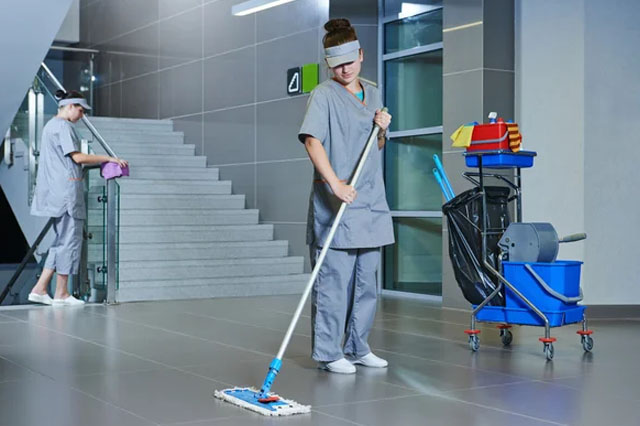
Corridors, fitness, clubhouse, mail room and storage on a scheduled round, with a written photographic report after every visit.
Massachusetts draws a firm boundary between maintenance and licensed trade work. A contractor who knows where that line is protects your building. One who doesn't is a liability you're paying for.
Like-for-like replacement on existing connections, and cosmetic repair. Carpentry, cabinets, hardware, doors, trim, fixtures and finishes — the full unit-readiness scope, performed by trained W-2 technicians.
New wiring, new pipe, gas work, HVAC and structural alteration require a licensed trade in Massachusetts. We do not perform them, and we do not advertise them. That boundary is deliberate.
When an item crosses it, we don't quietly do it anyway. We flag it, photograph it, and escalate it to your licensed vendor in the same reporting cycle — with the documentation you need to act on it.
A failed caulk line in October is a water-damaged ceiling in January. Our preventive maintenance contracts put a scheduled, reported round on your property so the small items are found by us rather than by a resident.
Right now it is probably your on-site tech's, on top of everything else. Send us a property and a unit count and we'll show you what it costs to hand it over.